
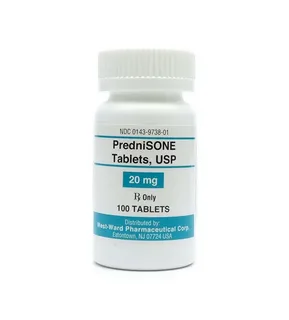
Prednisone is a synthetic corticosteroid medication commonly prescribed to reduce inflammation and suppress the immune system. It is widely used to treat a variety of medical conditions, including autoimmune disorders, allergic reactions, and certain respiratory illnesses.
Common Uses:
-
Asthma and chronic obstructive pulmonary disease (COPD) flare-ups
-
Rheumatoid arthritis and other autoimmune diseases
-
Severe allergic reactions and skin conditions
-
Inflammatory bowel diseases, such as Crohn’s disease or ulcerative colitis
-
Certain types of cancer as part of chemotherapy regimens
How It Works:
Prednisone mimics the action of cortisol, a natural hormone produced by the adrenal glands. It reduces inflammation by suppressing the immune system, which helps control overactive immune responses that cause swelling, redness, and pain.
Forms and Dosage:
Prednisone is available in tablet, liquid, and injectable forms. Dosage varies depending on the condition being treated, the patient’s age, and medical history. It is typically prescribed for short-term use, but some chronic conditions may require longer treatment under careful medical supervision.
Potential Side Effects:
Short-term use may cause:
-
Increased appetite and weight gain
-
Mood changes, irritability
-
Insomnia
Long-term use may increase the risk of:
-
High blood pressure and blood sugar changes
-
Osteoporosis (bone thinning)
-
Eye problems, such as cataracts or glaucoma
-
Increased susceptibility to infections
Important Considerations:
-
Prednisone should not be stopped suddenly, especially after long-term use, as it can cause adrenal insufficiency.
-
Always follow your healthcare provider’s instructions regarding dosage and tapering schedules.
-
Regular monitoring may be required for long-term users to prevent complications.
Conclusion:
Prednisone is a powerful medication that can effectively control inflammation and autoimmune responses. While it has potential side effects, careful medical supervision ensures safe and beneficial use for patients who require it.